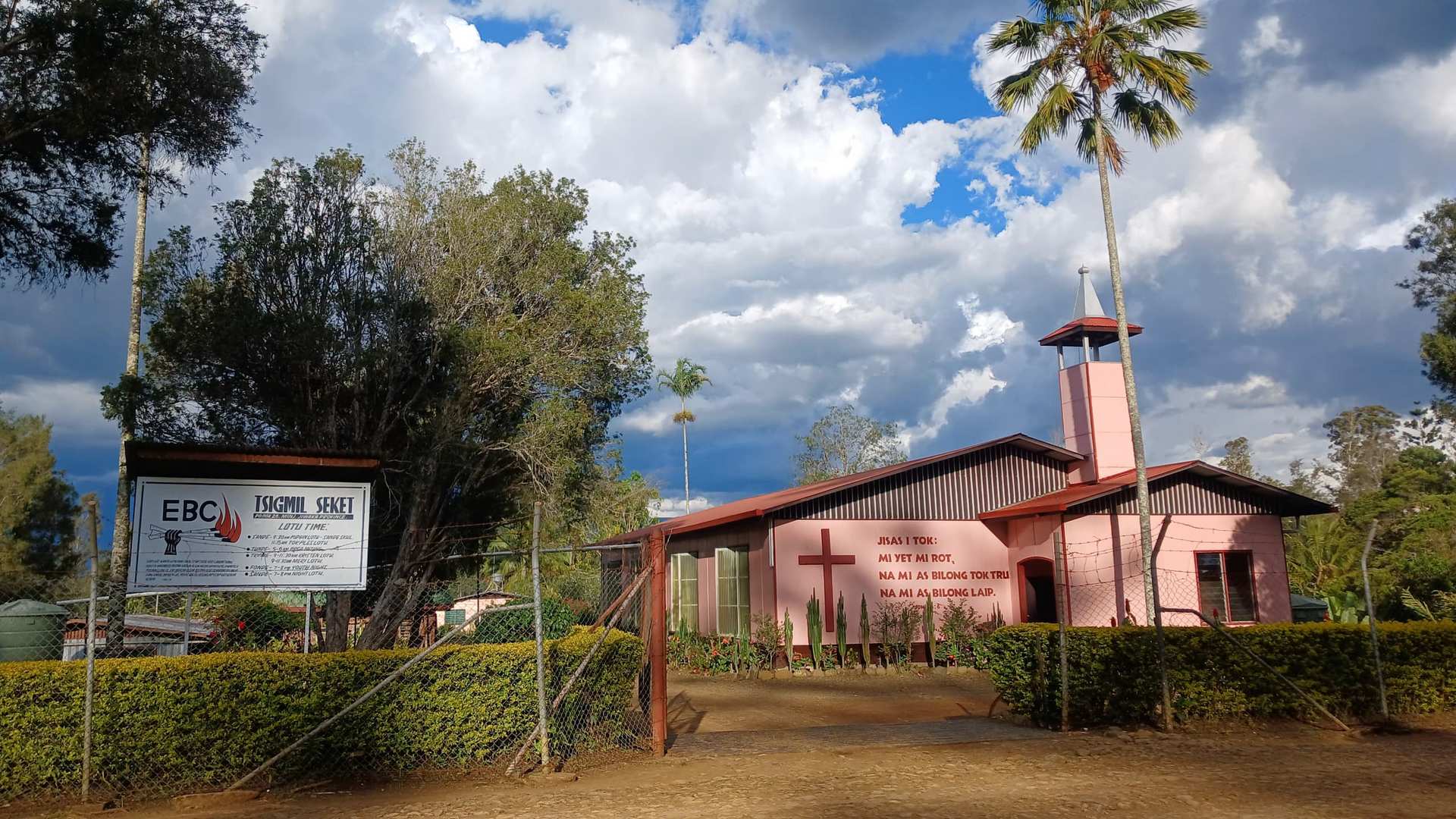
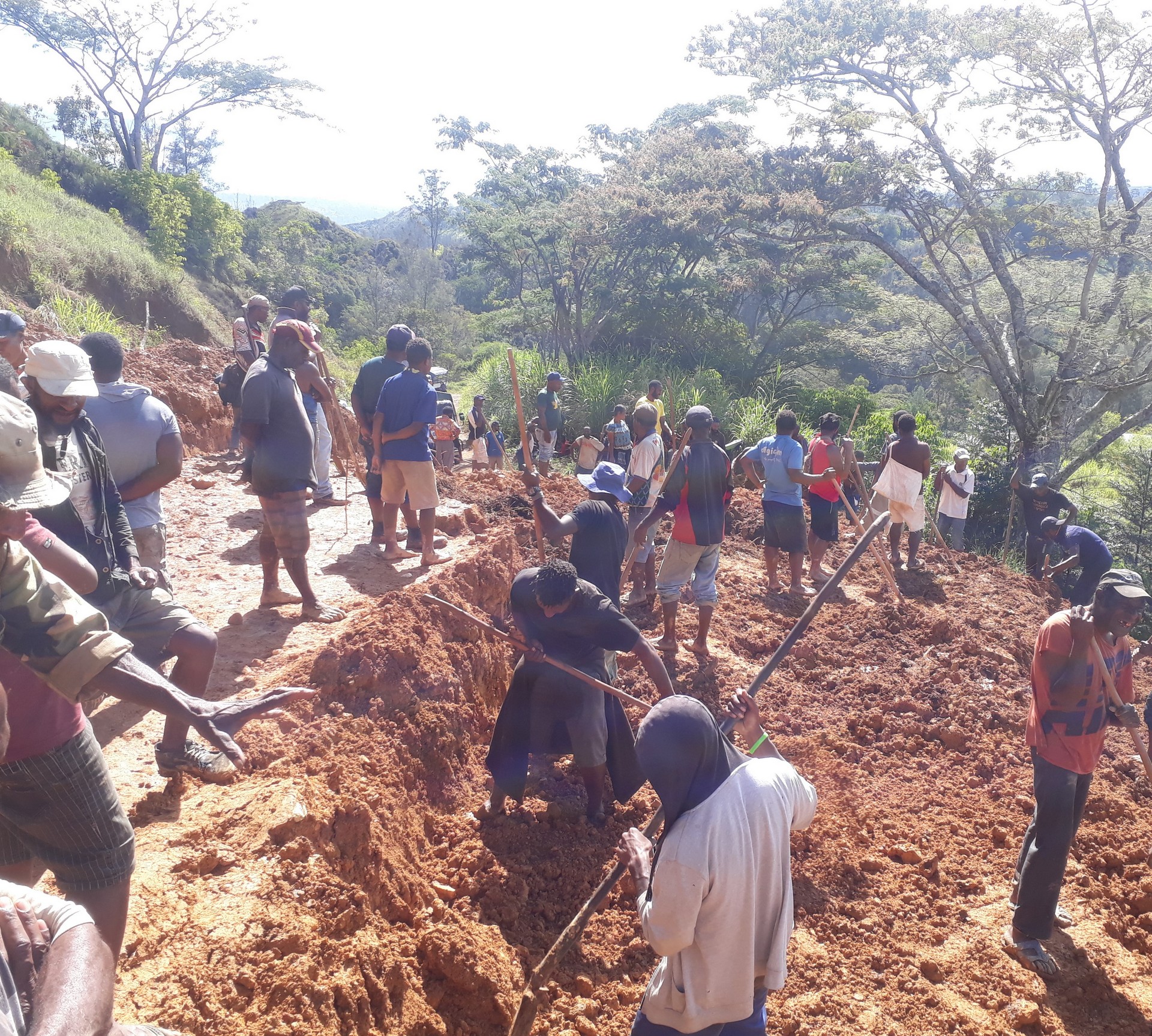
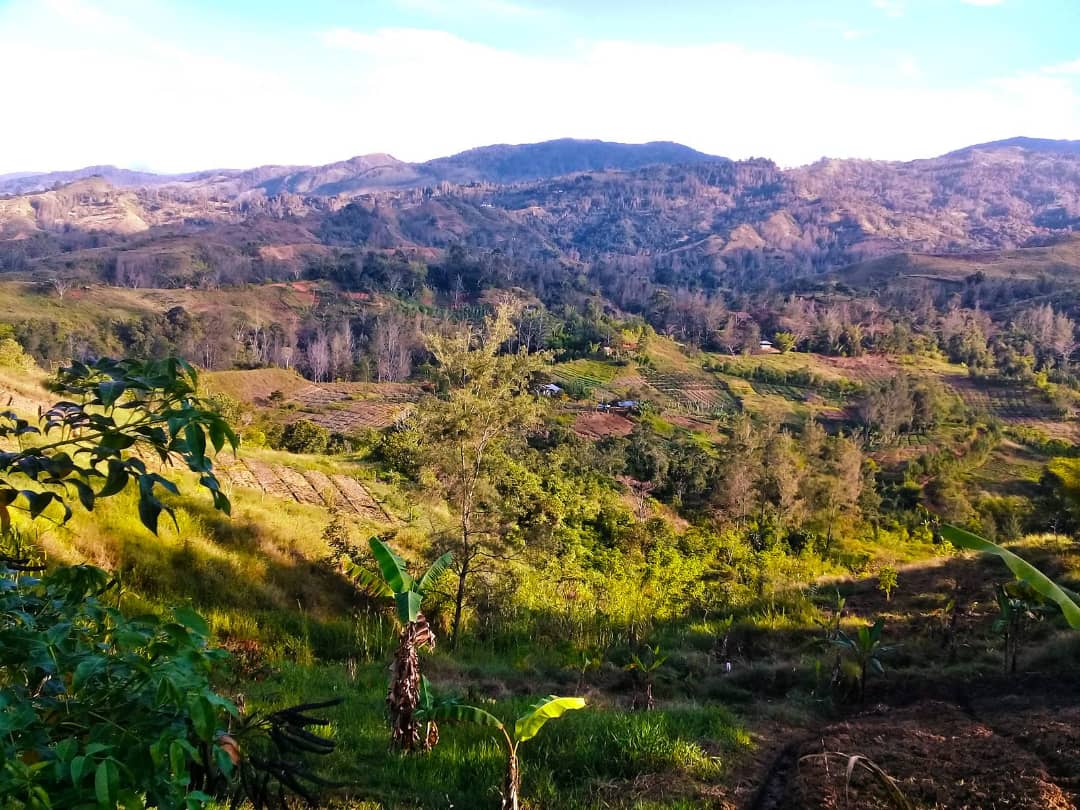
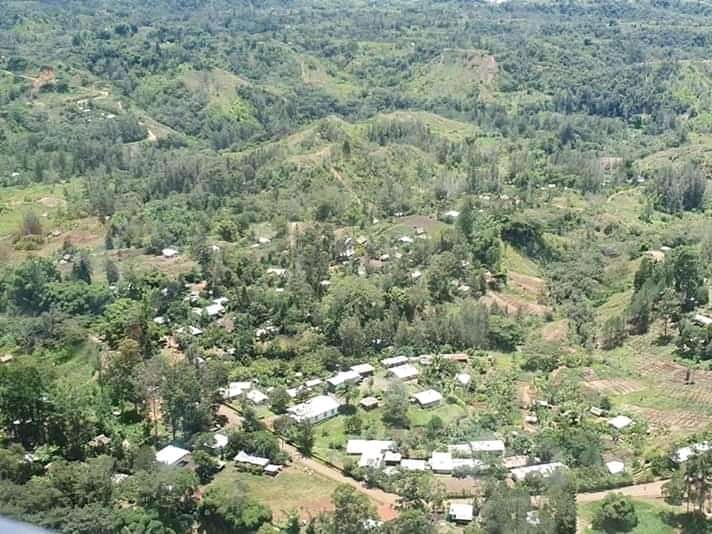
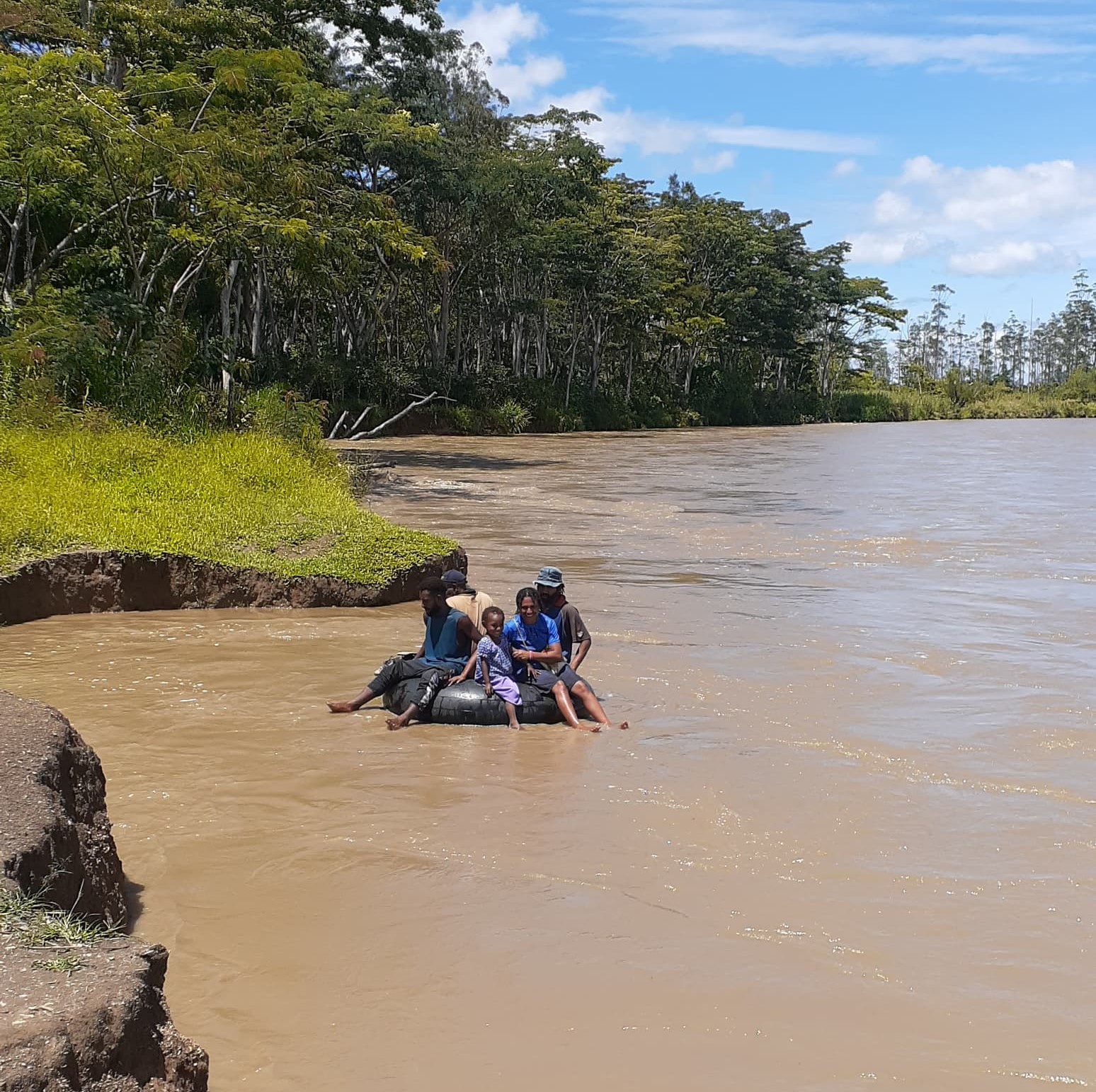
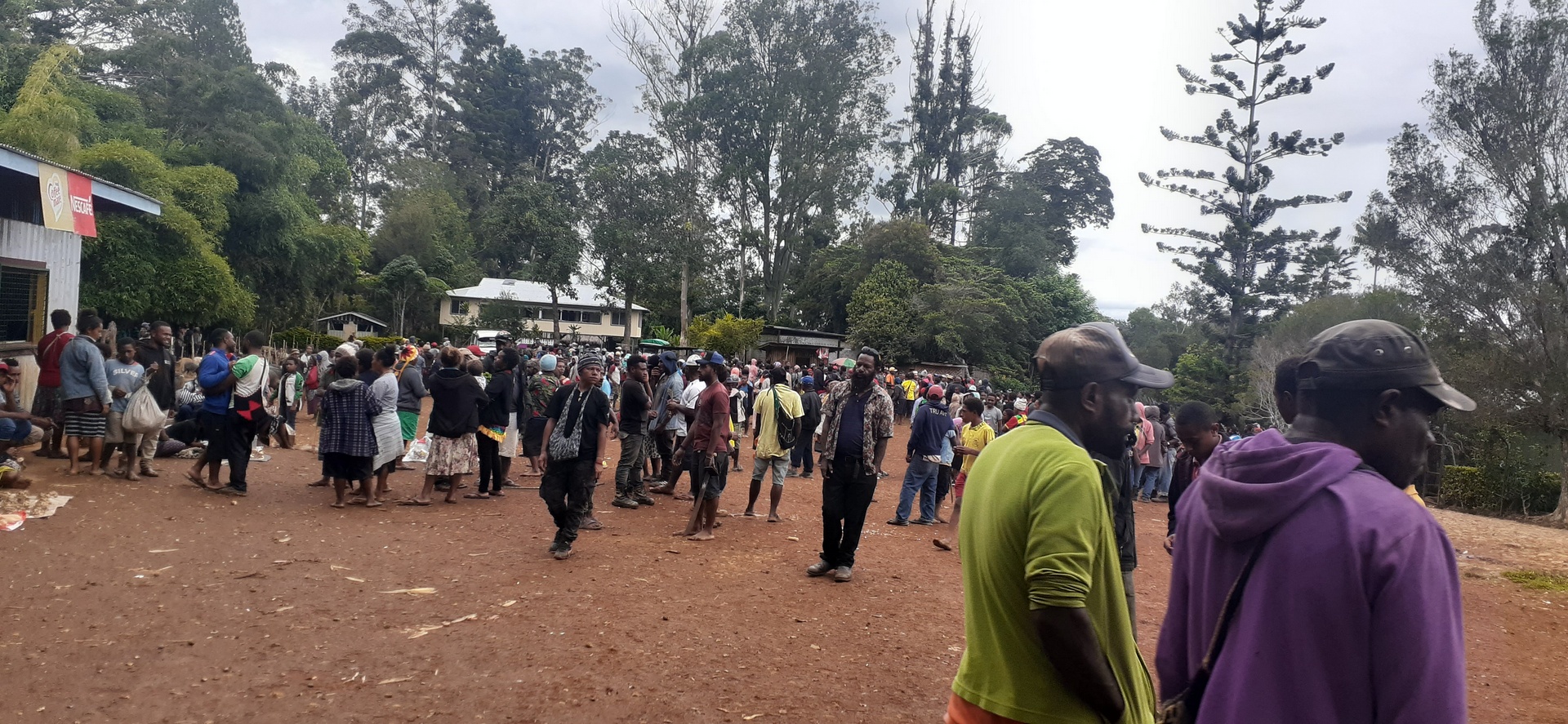
Manda Community is located in the south west corner of Minj township and within the South Waghi Anglimp Electorate in Jiwaka Province, Papua New Guinea. Manda area spreads over 50 plus villages amongst 10 tribal territories that excludes Kambia and shares part of the communities in Kup district at the Simbu Provincial border as well as the North Waghi electorate communities. The Manda area has a population of approximately 30,000 able population. The Manda area covers an area of approximately1,040 square kilometers (402 square miles) and runs from the edge of River Minj to the edge of River Numants and is isolated from the main Highlands Highway by the mighty Waghi River. It is only accessible by dirt road via the Minj station or from the back road from the Jiwaka and Simbu border which is now almost covered in bushes and only identifiable through walking tracks. Historically, back in the 60s to early 90s, Manda has been one of the economic hubs of Jiwaka formerly under the administration of the Western Highlands Province. The community had a major coffee plantation which is called Danal Plantation where Jiwaka Province is known for its coffee production. The Danal coffee plantation has been growing and producing some of the best Arabica coffee, which is renowned for its quality. The community also had a large coffee milling and processing factory processing facilities in Tsigmil in the Manda area. This factory played a crucial role in the coffee supply chain by processing harvested coffee cherries into green coffee beans that were ready for export and further processing. Both these ventures played very significant roles in the local economy, providing income and livelihoods for many people in the area. The Manda area also had a Police station – an outpost that was located in Bekpe village in the 80s to early 90s. However, this is no longer in existence due to tribal warfare. The Manda Community also had a foot bridge across the Waghi River that was the major access to the main Highlands Highway in the 80s to early 90s, however, this has been cut off by due to tribal fighting. MCDF development activities would be spread over 60 plus villages amongst 10 tribal territories in the Manda area in the South Waghi district. All government schools and institutions that have existed in the early 70s to the late 90s have all disappeared together with all basic community infrastructures and services. The only notable existence are several primary schools and a health center that are being managed by the Evangelical Brotherhood Church. A few government schools have been resurrected with one new High School that has been upgraded from a former primary school at Kukmar village just two years ago. Additionally, another new mission run High School was established two years ago at Pukamil village. Apart from all these, the state of the infrastructure such as roads, bridges and any identifiable infrastructure has deteriorated to nothing. The Manda community is known for tribal fighting and that has been ongoing for almost 30 years from late 70s to early 90s. The authorities and the government have turned a blind eye thus leaving everything to be destroyed and burned. Hence, the Manda area is now called back-page meaning the end of the world with nothing in existence. With portrayal of a very disadvantage community, there has been backlash and blind eye from the government and authorities ignoring the request for rehabilitation of basic infrastructures such as road networks, foot bridge, bridges, and even better schools and health care facilities and a police post in the area. With other areas in Jiwaka, and the rest of other provinces and Papua New Guinea moving forward in terms development and basic infrastructures, this Manda area in the center of the highlands regions is a underprivileged and disadvantage community that is in dire need for help and support. The only advantage the Manda community has in this modern time is the highly educated population. However, with the pressing need for personal survival and better livelihood, most of these educated population have drifted out of the community into the cities and towns leaving the community still in need of all basic services. Hence, with the current state of the Manda community at heart, the Manda Community Development Foundation has evolved to provide the platform for the underprivileged and disadvantaged community to have access to funding support, better basic infrastructure services, better education and health facilities, improved livelihoods, peaceful society and income earning opportunities for self-sustainability.